Uncovering the Truth: Gelatine Sculpt Reviews and More
The Rise of Gelatine Sculpt: A New Trend in Wellness?
Have you noticed more people talking about gelatine lately? It's popping up everywhere, from health blogs to social media posts, and it seems like everyone is keen on its potential benefits.
Gelatine, derived from collagen, is being hailed for its various health perks, especially in the wellness community. Research suggests that dietary gelatine may support joint health, skin elasticity, and even digestion. With products like Gelatine Sculpt entering the market, it’s no wonder this ingredient is gaining traction.
A study published in the Journal of Nutrition indicated that gelatine consumption can improve the body’s collagen synthesis, which is crucial for maintaining healthy joints and skin. This growing body of research is driving interest among consumers, particularly in states like New York and California.
If you’re curious about jumping on this bandwagon, consider how you might incorporate gelatine into your routine. Simple options can include adding it to smoothies or desserts, which is popular in sunny Florida.
The buzz around gelatine isn’t just hype—it’s backed by science and personal experiences, making it a trend worth exploring.
Myth vs Fact: Gelatine and Joint Health
There’s a common belief that gelatine can drastically improve joint health. So, what’s the real story here?
Many people think that simply consuming gelatine will make their joints feel like new again. However, research indicates that while gelatine may support joint health, it doesn’t work miracles. A study found that individuals who consumed gelatine experienced some benefits, but it’s essential to view this within the context of a well-rounded diet and lifestyle.
Look, the truth is that nutrition plays a pivotal role in joint health, but it’s not the only factor. Engaging in regular physical activity and maintaining a healthy weight are just as important, especially for those living in states like Texas and Illinois, where active lifestyles are common.
When you hear claims that gelatine will heal your joints, remember to take a step back. It can be a part of a supportive diet, but it’s not a standalone solution.
Understanding the nuances between myth and fact can help you make informed choices about your joint health.
Nutritional Benefits of Gelatine: What You Should Know
So, what’s really in gelatine? Many folks have misconceptions about its nutritional profile, especially regarding protein content.
Gelatine is primarily made up of amino acids, which are the building blocks of proteins. However, it’s not a complete protein, meaning it doesn’t contain all the essential amino acids your body needs. Studies suggest that while gelatine may support muscle recovery and overall health, it should be part of a diverse protein intake.
A study highlighted the importance of combining gelatine with other protein sources to get a balanced amino acid profile. This is crucial for those of you in states like Washington, where a lot of health-conscious eaters are focused on protein sources.
If you’re looking to boost your gelatine intake, think about pairing it with other proteins—like mixing it into yogurt or smoothies. This way, you maximize its benefits while ensuring you meet your nutritional needs.
Gelatine Sculpt and Weight Loss: Myth or Reality?
There's a buzz around gelatine being a weight loss miracle. But is there any truth to these claims?
Some people believe that gelatine can somehow magically melt away the pounds. The reality, however, is a bit more complex. Research suggests that gelatine may support satiety, which means it might help you feel fuller longer, potentially leading to lower overall calorie intake.
A study found that consuming gelatine can increase feelings of fullness, which in turn may support weight management efforts. This is particularly relevant for those in vibrant cities like New York and Los Angeles, where weight management is often a hot topic.
If you're considering gelatine as part of your weight loss journey, think of it more as a supporting player in a well-balanced diet rather than a magic bullet. Incorporating it into meals can help you feel satisfied while still enjoying your favorite foods.
Understanding Gelatine: Animal vs Plant Sources
Confused about where gelatine comes from? You’re not alone; many people are unsure about its sources and the implications for their diets.
Gelatine is typically derived from animal collagen, most commonly from cows or pigs. This can be a concern for those following vegetarian or vegan diets. On the other hand, plant-based alternatives like agar-agar or carrageenan are growing in popularity. Understanding these differences is crucial, especially in states like California, where plant-based diets are becoming mainstream.
In a recent study, researchers compared the nutritional profiles of gelatine and its plant-based counterparts. While both options can offer unique benefits, it’s clear that gelatine is primarily animal-derived.
If you’re looking for alternatives, explore options like agar-agar in your recipes. It’s versatile and can be a suitable gelatine substitute for making jellies or desserts.
The Role of Gelatine in Skin Health: What Does Science Say?
Many people tout gelatine as a magic ingredient for skin health. But is there any scientific backing to these claims?
Gelatine is rich in collagen, which is often linked to skin elasticity and overall health. Some studies suggest that consuming collagen-rich products may support skin hydration and elasticity over time. However, the evidence is still evolving.
A recent study found that collagen supplementation, including gelatine, can positively impact skin health. This finding is especially exciting for those of you in warmer climates like Florida, where skin health is often a concern.
If you’re keen on enhancing your skin health, consider incorporating gelatine into your diet through foods like bone broth or desserts. Remember, though, that gelatine works best when combined with a balanced diet rich in fruits and veggies.
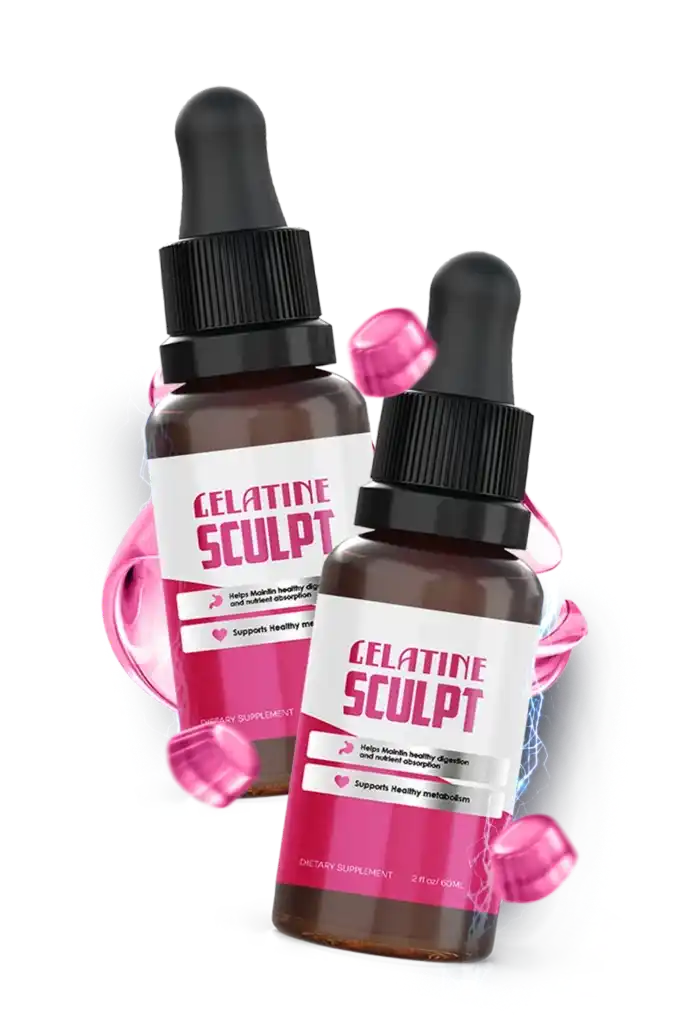
Gelatine Sculpt: What Users are Saying
Curious about what real users think about Gelatine Sculpt? Anecdotal experiences can shed light on its effectiveness.
Some users rave about how easy it is to incorporate into their routines, sharing stories of increased energy and improved digestion. However, others are less enthusiastic, noting minimal changes and expressing disappointment. This mix of feedback is common in wellness products.
Potential Side Effects of Gelatine: Separating Fact from Fiction
Are there risks associated with consuming gelatine? Many people wonder about its safety.
How to Incorporate Gelatine into Your Diet Wisely
Wondering how to add gelatine to your meals without going overboard? Let’s explore some practical tips.
The Bottom Line: What We’ve Learned About Gelatine
So what have we discovered about gelatine throughout this exploration?
Key Takeaways
- Gelatine is gaining popularity in health and wellness circles.
- Myths about gelatine's impact on joint health aren't fully supported by research.
- Gelatine has nutritional benefits but isn't a miracle solution for weight loss.
- Understanding the source of gelatine is crucial for dietary choices.
- Anecdotal reviews can provide insight, but scientific evidence is essential.
References & Sources
- The Effect of Gelatin on Joint Health — PubMed
- Dietary Gelatin and Protein Intake — PubMed
- Gelatin and Satiety: A Review — PubMed
- Impact of Gelatin on Skin Health — PubMed
- Safety and Side Effects of Gelatin — PubMed