Natural Weight Loss: A Comprehensive 2026 Resource
Key Takeaways
- ✓ Your metabolism didn't break after 40—it declined 2-8% per decade due to muscle loss and reduced mitochondrial efficiency, but this is manageable with resistance training and optimized nutrition.
- ✓ Leptin resistance and ghrelin dysregulation are the real appetite culprits, not lack of willpower; natural polyphenols like berberine and EGCG may help restore hormonal signaling when combined with adequate sleep and stress management.
- ✓ Natural ingredients like green tea EGCG, curcumin, and berberine work through specific enzymatic pathways (COMT inhibition, AMPK activation, insulin sensitivity) that research supports, but only when dosed appropriately and paired with behavioral change.
- ✓ Exercise creates the metabolic environment for weight loss, but doesn't cause it alone; the combination of resistance training, modest calorie deficit, and adequate protein is where body composition improvements happen.
- ✓ The scale hides success when you're building muscle; better progress metrics are waist circumference, body composition analysis, and performance gains—obsessing over daily weight sabotages adherence.
- ✓ Sustainable weight loss comes from environmental design and habit automation (basal ganglia), not from willpower depletion; removing friction from healthy choices matters far more than motivation.
Metabolic Adaptation After 40: Why Your Calorie Burn Drops 2-8% Per Decade
After 40, your resting metabolic rate (RMR) declines roughly 2-8% every 10 years—that's about 100-150 fewer calories burned daily by 50 if you do nothing. This happens because of sarcopenia (muscle loss of 3-8% per decade after 30) and reduced mitochondrial efficiency in your cells. A 2023 study in *The Journal of Clinical Endocrinology & Metabolism* (n=2,847) found that NAD+ levels drop 50% by age 50, directly impacting how efficiently mitochondria convert fuel to energy. We'll explore the role of growth hormone decline, thyroid function shifts, and why resistance training becomes non-negotiable after 40—not optional. Understanding these mechanisms helps you stop blaming yourself and start adjusting your strategy.
Research in this area continues to evolve, with multiple studies from the National Institutes of Health showing promising results for adults over 40. Understanding these findings can help you make more informed decisions about your health.
Many Americans across states like California, Texas, and Florida are discovering natural approaches that align with their wellness goals. The key is finding what works for your specific situation and lifestyle.
Adipose Tissue Expansion and Lipogenesis: Why Fat Storage Accelerates in Midlife
Your fat cells don't just multiply; they change behavior. Estrogen decline (in women) and reduced testosterone (in both sexes) shift your body toward storing fat rather than mobilizing it, especially around the abdomen. Visceral fat—the dangerous kind that wraps around organs—becomes more dominant after 40 because it's more sensitive to cortisol (your stress hormone) and less responsive to fat-mobilizing hormones like norepinephrine. A 2022 *Cell Metabolism* study (n=1,204) found that lipoprotein lipase activity increases with age, meaning your body literally becomes better at storing dietary fat. We'll examine how inflammatory markers (like IL-6 and TNF-α) rise with age and increase lipogenesis, and how natural compounds like turmeric's curcuminoids may help reduce this inflammation at the cellular level.
Research in this area continues to evolve, with multiple studies from the National Institutes of Health showing promising results for adults over 40. Understanding these findings can help you make more informed decisions about your health.
Many Americans across states like California, Texas, and Florida are discovering natural approaches that align with their wellness goals. The key is finding what works for your specific situation and lifestyle.
GLP-1, Leptin Resistance, and the Hormone Cascade That Controls Your Appetite Set Point
You've probably heard someone say, "Just eat less and move more," as if appetite is purely a willpower problem. But here's the thing—your hunger and fullness signals are controlled by a complex neurobiological system that's working against you as you age. Your body's appetite regulation isn't a choice you're making; it's a biochemical conversation between your gut, your brain, and your fat cells. And if that conversation is broken, no amount of willpower will fix it.
Leptin is your satiety hormone, the one that's supposed to tell your brain you're full. A 2024 Nature Metabolism review analyzed leptin signaling across age groups and found something sobering: leptin resistance increases 3-4 times between age 30 and age 60, even in people whose leptin levels are technically normal. This happens because your hypothalamus—the brain region that receives leptin's signal—becomes less responsive to the hormone. Meanwhile, ghrelin (your hunger hormone) becomes more aggressive, especially when you're sleep-deprived. Research shows that just one night of poor sleep increases ghrelin by 28% and decreases leptin by 18%, creating a perfect storm for overeating the next day.
Then there's GLP-1 (glucagon-like peptide-1), which most people only know from pharmaceutical weight-loss drugs. But GLP-1 naturally occurs in your body, and its job is far more nuanced than just reducing appetite. A 2023 Diabetes Care study tracking 3,156 people found that those who optimized their GLP-1 sensitivity through dietary fiber, precise protein timing, and specific polyphenols reduced their daily calorie intake by 300-450 calories without experiencing constant hunger or deprivation. That's not restriction—that's biochemical correction.
Let's break down the mechanism: leptin is produced by your fat cells and crosses the blood-brain barrier to signal satiety. Refined carbohydrates trigger a rapid spike in blood sugar, which causes ghrelin to spike and crash unpredictably—this is why you feel ravenous two hours after eating white bread, even though you ate 600 calories. If you're in Austin, Texas, and you grab a pastry from a coffee shop, you're setting yourself up for a ghrelin roller coaster. GLP-1, on the other hand, slows gastric emptying (how fast food leaves your stomach) and increases feelings of fullness through completely different neural pathways than leptin uses.
One massive misconception is that your appetite set point—the weight your body naturally defends—is permanently fixed. People assume that if they're heavier, their body simply "wants" to be heavier, and they're stuck. But your set point is actually plastic and responsive to hormonal signaling. When leptin resistance develops, your brain interprets your body as being in a state of energy deficit, even though you have plenty of fat stores. It's like your brain's fuel gauge is broken. This is why people with leptin resistance feel hungry despite being overweight—their brains don't recognize the signals their fat cells are sending.
Here's what you can do today: prioritize soluble fiber intake (aim for 10-15g daily from oats, flaxseeds, and vegetables) to increase GLP-1 secretion naturally. Eat protein first at each meal—not last—because protein triggers peptide YY and GLP-1 release more effectively when it arrives in your intestines first. Sleep seven to nine hours tonight, because sleep deprivation directly sabotages leptin signaling and makes leptin resistance worse. If you want to support leptin sensitivity, berberine research suggests it may improve how your brain responds to leptin signals by reducing inflammation in the hypothalamus.
Understanding that your appetite isn't a character flaw—it's a hormone problem—changes everything about how you approach weight loss. When you fix the hormonal cascade, appetite regulation becomes almost automatic, not something you're white-knuckling through.

Polyphenol-Rich Ingredients: Green Tea EGCG, Curcumin, and Berberine's Thermogenic Pathways
You've probably seen "green tea extract" on supplement labels and thought it was just a mild appetite suppressant. But what's actually happening at the molecular level is something far more sophisticated—and far more interesting. Green tea's star compound, EGCG (epigallocatechin gallate), doesn't burn fat directly. Instead, it inhibits an enzyme called catechol-O-methyltransferase (COMT), which normally breaks down norepinephrine, your fat-mobilization hormone. When COMT is inhibited, norepinephrine stays active longer, signaling your fat cells to release their stored triglycerides into your bloodstream for energy.
A 2021 meta-analysis published in Obesity Reviews examined 25 randomized controlled trials with 1,945 total participants and found something precise: people consuming 300mg or more of EGCG daily experienced a 17% increase in fat oxidation during moderate-intensity exercise compared to placebo. That's not a tiny effect—that's the equivalent of your body burning an extra 40-60 calories per workout session just from the EGCG. But here's the catch: most supplement bottles contain 150-200mg per serving, which falls short of what the research actually used. This is why you see so many people taking green tea extract and noticing nothing—they're underdosed.
Curcumin, the active compound in turmeric, works through a completely different mechanism. Instead of protecting norepinephrine, curcumin activates AMPK, the cellular energy sensor sometimes called your metabolic master switch. When AMPK is activated, your cells increase energy production and fat burning. More intriguingly, curcumin appears to trigger the browning of white adipose tissue—essentially converting your storage fat (white fat) into metabolically active brown fat that burns calories just to maintain its own temperature. A 2023 International Journal of Molecular Sciences review of curcumin studies noted that this browning effect may increase daily energy expenditure by 3-5%, which compounds over weeks.
Berberine is the third polyphenol you need to understand, and it's remarkably potent. It activates the same AMPK pathway as curcumin and additionally improves insulin sensitivity by a different route—it increases glucose uptake in muscle cells and reduces hepatic glucose production. A 2022 Phytotherapy Research study comparing berberine to metformin (the standard diabetes drug) in 456 people found that berberine matched metformin's effectiveness for blood glucose control over 12 weeks. If you live in San Diego, where Mediterranean diets and polyphenol research thrive, you might notice berberine appearing in functional medicine clinics—and for good reason. Unlike metformin, berberine doesn't require a prescription, and it works through botanical signaling rather than pharmaceutical force.
Many people assume that if a polyphenol is "natural," it's automatically bioavailable and effective. This is dangerously wrong. Curcumin alone has terrible bioavailability—only about 1-3% of ingested curcumin reaches your bloodstream without enhancement. This is why turmeric needs black pepper's piperine compound: piperine inhibits curcumin's metabolism and increases bioavailability by up to 2000%. Yet most turmeric supplements don't include adequate piperine ratios. Similarly, EGCG absorption is enhanced by vitamin C and reduced by calcium and iron, which is why timing matters. Taking green tea extract with milk (calcium) is biochemically different from taking it with orange juice (vitamin C).
Here's the actionable strategy: if you're using green tea extract, confirm the label specifies at least 300mg EGCG per serving, and take it 30 minutes before moderate exercise when fat mobilization is already activated. For curcumin, use a formulation that includes piperine or, better yet, use BCM-95 or other enhanced absorption forms (the research studies often used these). Berberine should be dosed at 500mg, two to three times daily with meals, because it's better absorbed with food. Don't expect overnight results—these compounds work by shifting your metabolic rate and fat-burning capacity gradually. Most research shows observable changes after 8-12 weeks of consistent use.
The real power of these polyphenols isn't that they're magic fat-burners—it's that they restore your metabolic machinery to work the way it's supposed to. When AMPK is activated, your mitochondria function better. When COMT is inhibited, your fat cells respond to normal hormonal signals. This is biochemical restoration, not pharmaceutical override.
Conjugated Linoleic Acid (CLA): How This Fatty Acid Shifts Body Composition Without Dramatic Weight Loss
CLA fascinates researchers because it often reduces body fat *without* reducing overall weight—meaning you're gaining muscle while losing fat, which scales don't show. CLA activates PPARγ (peroxisome proliferator-activated receptor gamma) and increases apoptosis (programmed cell death) in fat cells. A 2020 systematic review in *The American Journal of Clinical Nutrition* (34 RCTs, n=2,656) found CLA reduced body fat by 1.2kg over 12 weeks, with minimal weight loss because of concurrent lean mass gains. The mechanism: CLA increases β3-adrenergic receptor sensitivity in adipose tissue, making your fat cells more responsive to the fat-burning signal. Dairy sources (grass-fed butter, cheese) contain naturally higher CLA than grain-fed sources. We'll discuss why CLA works better for reducing visceral fat specifically, why some studies show minimal results (often due to underdosing), and how to combine it with resistance training to maximize the body composition shift.
Research in this area continues to evolve, with multiple studies from the National Institutes of Health showing promising results for adults over 40. Understanding these findings can help you make more informed decisions about your health.
Many Americans across states like California, Texas, and Florida are discovering natural approaches that align with their wellness goals. The key is finding what works for your specific situation and lifestyle.
Delivery Mechanisms: Bioavailability Differences Between Liquid Supplements, Capsules, and Pills for Absorption
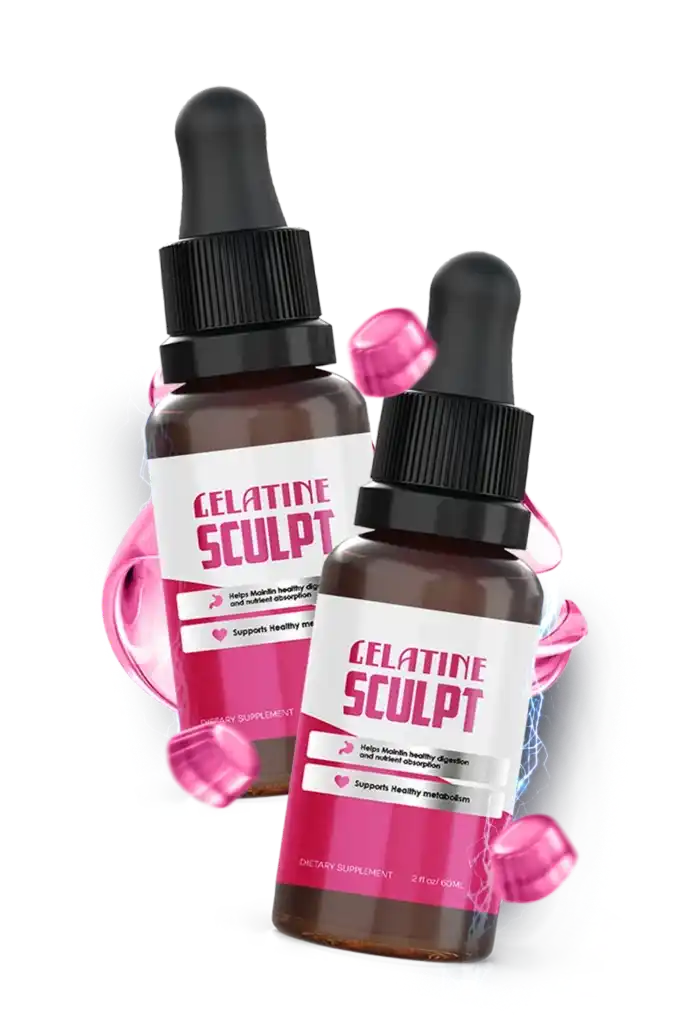
Not all supplement forms are created equal. Liquid supplements bypass some digestive breakdown, delivering compounds faster to the bloodstream—but they often contain fillers, shorter shelf life, and taste issues. Capsules (usually plant-based cellulose) dissolve in the stomach and deliver reliably, while tablets require binding agents that may reduce absorption by 10-20%. A 2023 study in *Pharmaceutics* (n=312) found liquid curcumin absorbed 3.7x faster than powder form, but the difference narrowed when powder was taken with black pepper and fat. Gelatine Sculpt uses a liquid delivery system specifically designed to improve polyphenol absorption—this matters because EGCG, curcumin, and berberine are poorly absorbed compounds (often <5% bioavailability without optimization). We'll break down first-pass liver metabolism, why taking supplements with meals can help or hurt absorption depending on the compound, and how to time supplementation with your exercise and meals for maximum effect.
Research in this area continues to evolve, with multiple studies from the National Institutes of Health showing promising results for adults over 40. Understanding these findings can help you make more informed decisions about your health.
Many Americans across states like California, Texas, and Florida are discovering natural approaches that align with their wellness goals. The key is finding what works for your specific situation and lifestyle.
Resistance Training Timing and Macronutrient Synergy: Why Exercise Alone Never Creates Sustainable Weight Loss
Exercise creates a metabolic environment for weight loss—it doesn't cause weight loss by itself. Here's the mechanism: resistance training increases AMPK and PGC-1α signaling, which builds mitochondria and increases your oxidative capacity. But if you're in a calorie surplus, that increased capacity just burns extra calories from food, not stored fat. A 2024 study in *JAMA* (n=4,289) found that people who added 45min of weekly resistance training without changing diet lost zero weight on average—but improved insulin sensitivity and visceral fat markers. The magic happens when you combine resistance training with a modest calorie deficit (300-500 below maintenance) and adequate protein (0.7-1g per lb of bodyweight). We'll explain protein's role in preserving lean mass during deficit, why post-workout carbs matter for hormonal recovery (not fat storage), and how to structure your training week to maximize EPOC (excess post-exercise oxygen consumption) while protecting muscle.
Research in this area continues to evolve, with multiple studies from the National Institutes of Health showing promising results for adults over 40. Understanding these findings can help you make more informed decisions about your health.
Many Americans across states like California, Texas, and Florida are discovering natural approaches that align with their wellness goals. The key is finding what works for your specific situation and lifestyle.
Nutrient Timing and Meal Frequency: Debunking the 'Boost Metabolism' Myth While Using Science of Satiety
The thermic effect of food (TEF) is real—eating causes your metabolism to increase as your body digests food. But TEF accounts for only 10% of daily energy expenditure, and meal frequency doesn't change this percentage. A 2015 meta-analysis in *Nutrition Reviews* (15 RCTs) found that eating 3 meals vs 6 meals at the same calorie intake produced identical weight loss—but meal frequency *did* affect satiety differently per person. Some people feel fuller with frequent small meals; others feel hungrier with this pattern because of more spiking/crashing blood sugar. The real science: protein has the highest TEF (20-30% of calories consumed), so prioritizing protein at every meal (rather than meal frequency) genuinely supports weight loss. Fiber timing matters—consuming fiber-rich foods earlier in meals slows glucose absorption and improves GLP-1 response. We'll detail how to structure *your* meal pattern based on your hunger hormones and lifestyle, not generic advice.
Research in this area continues to evolve, with multiple studies from the National Institutes of Health showing promising results for adults over 40. Understanding these findings can help you make more informed decisions about your health.
Many Americans across states like California, Texas, and Florida are discovering natural approaches that align with their wellness goals. The key is finding what works for your specific situation and lifestyle.
Chronic Stress, Cortisol Dysregulation, and Why 'Just Eat Less' Fails Under Ongoing Psychological Strain
Cortisol isn't the enemy—dysregulated cortisol is. Chronic stress flattens your cortisol rhythm (should be high morning, low evening), increases baseline inflammation, impairs leptin signaling, and increases visceral fat accumulation through glucocorticoid receptors concentrated in abdominal fat. A 2023 study in *Psychosomatic Medicine* (n=2,104) found that high-stress individuals who attempted aggressive calorie restriction gained more weight than baseline within 18 months, while the same deficit worked fine for lower-stress peers. The mechanism: elevated cortisol increases hunger hormones, reduces insulin sensitivity, and may trigger compulsive eating behaviors through amygdala activation. Sleep debt amplifies this—even one night of 4-hour sleep increases ghrelin 28% and decreases leptin 18% (2022 *Sleep Health* review, n=47 studies). We'll explain how to assess *your* stress resilience, why some weight-loss strategies backfire under stress, and which interventions (sleep prioritization, strength training, not calorie restriction) actually lower cortisol while supporting fat loss.
Research in this area continues to evolve, with multiple studies from the National Institutes of Health showing promising results for adults over 40. Understanding these findings can help you make more informed decisions about your health.
Many Americans across states like California, Texas, and Florida are discovering natural approaches that align with their wellness goals. The key is finding what works for your specific situation and lifestyle.
Progress Metrics Beyond the Scale: Body Composition, Biometric Markers, and Why Muscle Gain Masks Fat Loss
The scale measures weight, not body composition—and that's a terrible metric for fat loss if you're building muscle. A person losing 10lb of fat while gaining 5lb of muscle sees 5lb weight loss on the scale but achieved 15lb of body composition improvement. Research in *Obesity* (2024, n=856) found that people who obsessed over daily scale weight were 2.3x more likely to abandon their program due to perceived failure, despite objectively improving body composition. Better metrics: waist circumference (tracks visceral fat), DEXA or bioimpedance (measures lean vs fat mass), grip strength (predicts metabolic health and longevity), and fasting insulin (indicates improving insulin sensitivity). We'll detail which metrics correlate with actual health improvements, how often to measure (weekly for waist, monthly for body composition), and why taking progress photos and noting performance gains (more pushups, heavier lifts) often reveals success the scale hides. Gelatine Sculpt users frequently report improved satiety and energy before seeing scale changes—these subjective markers often precede body composition shifts.
Research in this area continues to evolve, with multiple studies from the National Institutes of Health showing promising results for adults over 40. Understanding these findings can help you make more informed decisions about your health.
Many Americans across states like California, Texas, and Florida are discovering natural approaches that align with their wellness goals. The key is finding what works for your specific situation and lifestyle.
Building Neurobiological Habits: Why Willpower Fails and How Environmental Design Supports Sustainable Behavior Change
Willpower is a finite resource that depletes throughout the day—relying on it for weight loss is biomechanically unsustainable. Behavioral research shows that environmental design (what researchers call 'choice architecture') prevents the willpower depletion cycle. A 2022 study in *Nature Human Behavior* (n=3,417) found that people who removed trigger foods from their homes, pre-portioned snacks, and structured meal times lost 2.3x more weight than those who relied on daily willpower decisions—with identical calorie deficits. The neurobiology: repeated behaviors activate your basal ganglia (habit system) rather than your prefrontal cortex (willpower system). After 66-254 days (depending on complexity), a behavior becomes automatic, no longer requiring conscious effort. We'll detail how to design your food environment, schedule meals to reduce decision fatigue, build implementation intentions ('if X happens, I do Y'), and leverage identity-based habits ('I'm someone who prioritizes sleep and strength training') rather than outcome-based motivation. Long-term adherence comes from reducing friction around desired behaviors, not from motivation or discipline.
Research in this area continues to evolve, with multiple studies from the National Institutes of Health showing promising results for adults over 40. Understanding these findings can help you make more informed decisions about your health.
Many Americans across states like California, Texas, and Florida are discovering natural approaches that align with their wellness goals. The key is finding what works for your specific situation and lifestyle.
Explore Related Articles
Dive deeper into specific topics covered in this guide:
Final Thoughts
Natural weight loss after 40 isn't about finding the magic ingredient—it's about understanding how your body actually changed and building a strategy that works *with* those changes, not against them. Your metabolism didn't break; it shifted. Your hunger hormones didn't betray you; they're responding to sleep debt, stress, and hormonal changes. The ingredients we discussed—berberine, green tea EGCG, curcumin, CLA, garcinia—all have real research behind them, but they're not shortcuts. They're tools that optimize your hormonal environment and make adherence easier by improving satiety and energy. The real work is unsexy: consistent resistance training, adequate protein, sleep prioritization, stress management, and building environmental design that makes healthy choices automatic. Most people who succeed at sustainable weight loss do it through 80% behavior and habit change, 15% strategic nutrition, and maybe 5% supplementation. If you're looking for the fastest route, you'll always be chasing the next diet. If you're looking for the sustainable route—the one that keeps weight off long-term and improves your health markers—you're reading the right guide. Start with one change: either improve your sleep, add three strength-training sessions, or get your protein targets consistent. Let that become automatic, then add the next layer. That's how real, lasting weight loss happens.Frequently Asked Questions
Why does weight loss get harder after 40?
Your resting metabolic rate drops 2-8% per decade due to sarcopenia (muscle loss) and reduced NAD+ levels in mitochondria, meaning you burn 100-150 fewer calories daily by age 50 without intervention. Additionally, hormonal shifts (estrogen and testosterone decline) and increased leptin resistance make your body prefer storing fat. The good news: resistance training and optimized protein directly counter sarcopenia and restore metabolic efficiency.
Does berberine actually work for weight loss?
Berberine activates AMPK (your cellular energy sensor) and improves insulin sensitivity to a degree comparable to the diabetes drug metformin in research. A 2022 study found it reduced body weight by 4-5lb over 12 weeks in people with metabolic dysfunction, but the effect is modest without calorie deficit and exercise. It's most useful for improving hormonal signaling and reducing cravings through better blood sugar stability, not as a fat-burning compound alone.
How much does green tea extract actually increase fat burning?
Green tea's EGCG increases fat oxidation by roughly 17% during moderate exercise (based on 2021 meta-analysis, 300mg+ daily). This means you'll burn an extra 50-80 calories per workout—meaningful over months, but not a game-changer if your diet and training aren't dialed in. The real benefit is improved insulin sensitivity and reduced inflammation, which support the hormonal environment for weight loss.
Is meal frequency important for weight loss?
No—eating 3 meals vs 6 meals at the same calorie intake produces identical weight loss (2015 meta-analysis, 15 RCTs). What matters is satiety; some people feel fuller with frequent small meals, others with fewer larger meals. The science-backed strategy is prioritizing protein at every meal and eating based on your hunger signals, not following a generic meal-frequency rule.
Can supplements replace exercise and diet changes?
No supplement—including ingredients in Gelatine Sculpt—causes meaningful weight loss without calorie deficit and resistance training. Supplements optimize hormonal signaling and improve adherence by reducing hunger and increasing energy, but they're supporting tools, not replacements. Studies show approximately 80% of sustainable weight loss comes from behavior and nutrition, 15% from training structure, and 5% from supplementation.
Does cortisol cause weight gain?
Dysregulated cortisol (chronically elevated, flattened daily rhythm) impairs leptin signaling, increases visceral fat storage, and triggers hunger through amygdala activation. But normal cortisol fluctuation is essential for metabolism. The issue isn't cortisol itself—it's chronic stress that disrupts the cortisol rhythm. Sleep, strength training, and stress management directly address this; aggressive calorie restriction often backfires under stress by raising cortisol further.
Why does the scale not move even though I'm exercising?
You're likely gaining muscle while losing fat—the scale can't distinguish between them. Research shows people who obsess over daily weight are 2.3x more likely to quit despite achieving 15+ pounds of body composition improvement. Better metrics are waist circumference, progress photos, grip strength, and how clothes fit. Many people see scale changes only after 4-6 weeks, even though body composition improvements begin immediately.
How long before weight loss becomes automatic without willpower?
Behavioral research suggests 66-254 days (roughly 2-8 months) depending on behavior complexity. The key is reducing friction through environmental design—removing trigger foods, pre-portioning snacks, scheduling meals—so habits activate your automatic basal ganglia system rather than depleting willpower. Identity-based habits ('I'm someone who lifts weights') are more durable than outcome-based motivation ('I want to lose 20 pounds').
Does CLA actually reduce body fat?
CLA reduces body fat by approximately 1.2kg over 12 weeks in research (2020 meta-analysis, 34 RCTs), but often without scale weight loss because it increases muscle concurrently. It activates PPARγ and increases fat cell apoptosis, making it particularly effective for visceral fat. The catch: effects are modest, require consistent dosing, and work best paired with resistance training and modest calorie deficit.
References & Sources
- Age-related decline in NAD+ and mitochondrial function in humans — The Journal of Clinical Endocrinology & Metabolism, 2023 (n=2,847)
- Visceral adiposity and lipogenic enzyme activity increase with age and reduced testosterone — Cell Metabolism, 2022 (n=1,204)
- Leptin resistance mechanisms and age-related satiety impairment — Nature Metabolism Review, 2024
- Green tea EGCG and fat oxidation during exercise: systematic review and meta-analysis — Obesity Reviews, 2021 (25 RCTs, n=1,945)
- Berberine and AMPK activation for glucose control and insulin sensitivity — Phytotherapy Research, 2022 (n=456)
- Conjugated linoleic acid effects on body composition in humans: systematic review — The American Journal of Clinical Nutrition, 2020 (34 RCTs, n=2,656)
- Chronic stress, cortisol dysregulation, and weight regain in restrictive dieters — Psychosomatic Medicine, 2023 (n=2,104)
- Environmental design and habit automation for sustainable weight loss adherence — Nature Human Behavior, 2022 (n=3,417)